Introduction
With increasing challenges related to water resources and climate change, selecting the appropriate irrigation equipment has become crucial for enhancing agricultural productivity and conserving water. This guide aims to provide a comprehensive overview of different irrigation systems, their benefits, and the factors to consider when choosing the right equipment for your farm.sburtonrealty.com+1farmbrite.com+1
Types of Agricultural Irrigation Systems
1. Drip Irrigation
Drip irrigation is one of the most efficient systems, delivering water directly to the plant roots, minimizing evaporation, and reducing weed growth. It's commonly used in orchards, greenhouses, and small-scale farms.Wikipedia+1Better Homes & Gardens+1
2. Sprinkler Irrigation
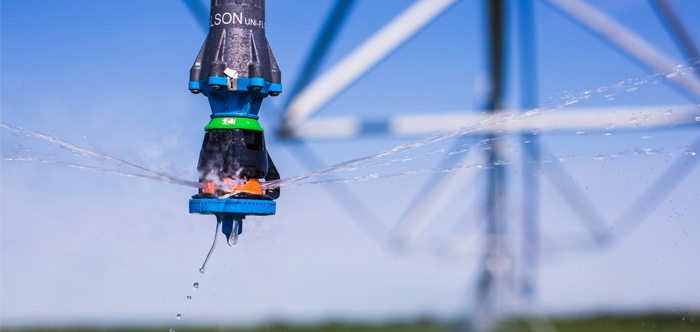
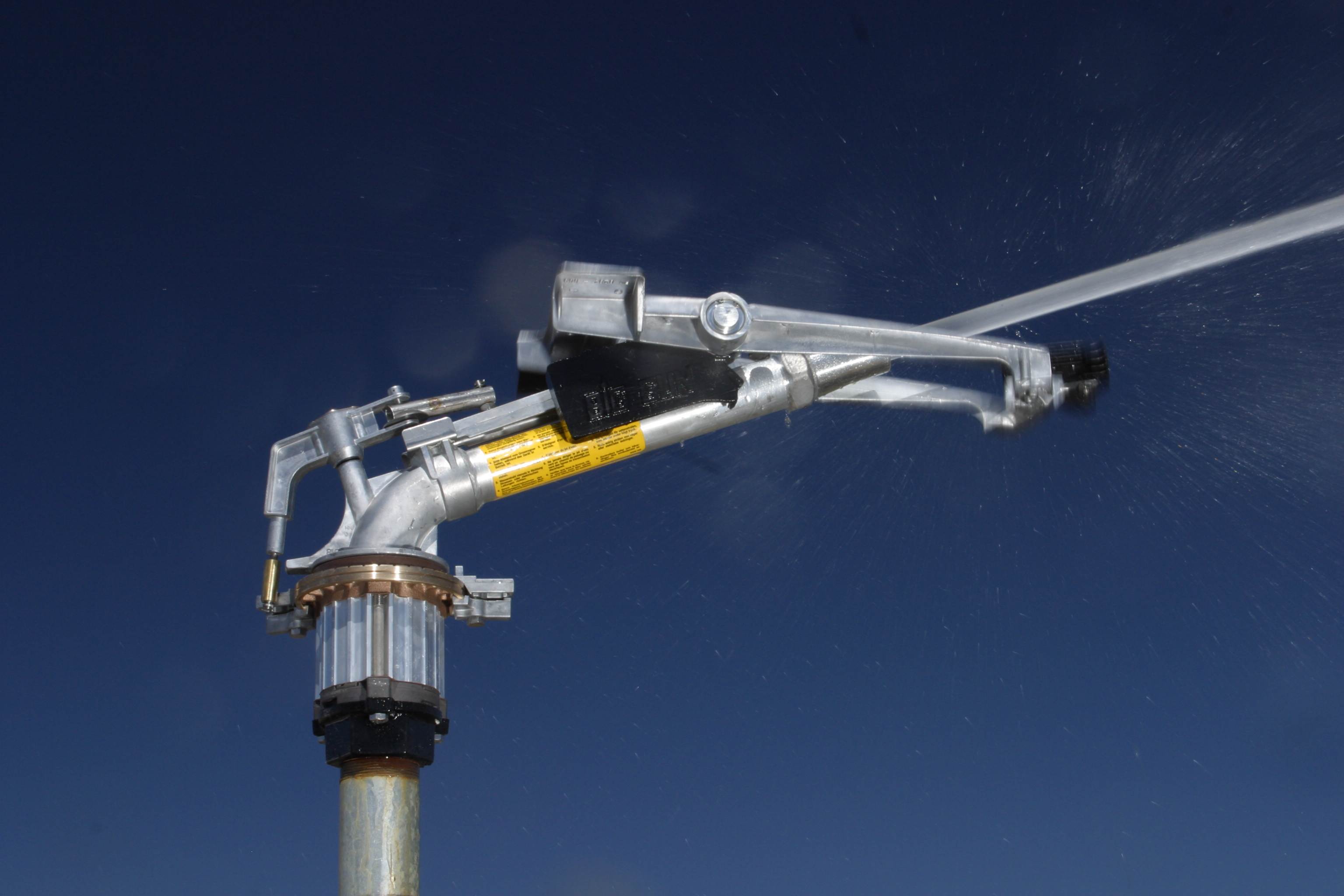
This system sprays water in fine droplets, simulating rainfall, providing uniform water distribution across the soil surface. It's suitable for large farms and field crops like wheat and barley.
3. Surface Irrigation
Surface irrigation involves water flowing through channels or furrows between crop rows. It's used in lands with slight slopes and soils that retain water well.
Factors Influencing the Choice of Irrigation Equipment
Crop Type: Different crops have varying water requirements; for instance, vegetables need different amounts compared to fruit trees.
Soil Type: Soil characteristics affect the choice of irrigation system; sandy soils require frequent, small amounts of water, while clay soils retain moisture longer.
Water Availability: Consider the quantity and quality of available water, as some systems require clean, debris-free water.
Budget: Installation and maintenance costs vary among systems; choose one that fits your financial plan.farmbrite.com
Components of an Irrigation System
Benefits of Modern Irrigation Systems
Conclusion
Selecting the right irrigation system is a long-term investment that contributes to improved agricultural productivity and water resource conservation. By understanding your farm's needs and considering various factors, you can choose the system that best suits your requirements.